Commercial shipping continues to face threats in the Strait of Hormuz as the Trump administration confronts political pressure over its eight-month conflict with Iran, gCaptain reported. Vice President JD Vance attributed Republican midterm election losses to the war, which the outlet said had pushed up energy prices, tanker rates and war-risk insurance costs.
The United States and Israel began the military campaign on 28 February. Washington has since kept a blockade on Iranian maritime trade, while Iran has continued attacks on merchant vessels in the Strait of Hormuz and Persian Gulf, according to the report. Tanker movements have recovered substantially compared with the conflict’s opening months, but that improvement has not removed the security risks facing commercial operators.
Further incidents involving tankers and other merchant ships were reported over the weekend. The United Kingdom Maritime Trade Operations service issued fresh warnings during the week, underscoring the continuing exposure of vessels using the waterway. gCaptain reported that Brent crude remained above $100 a barrel, with more expensive petrol and diesel adding to US concerns about living costs.
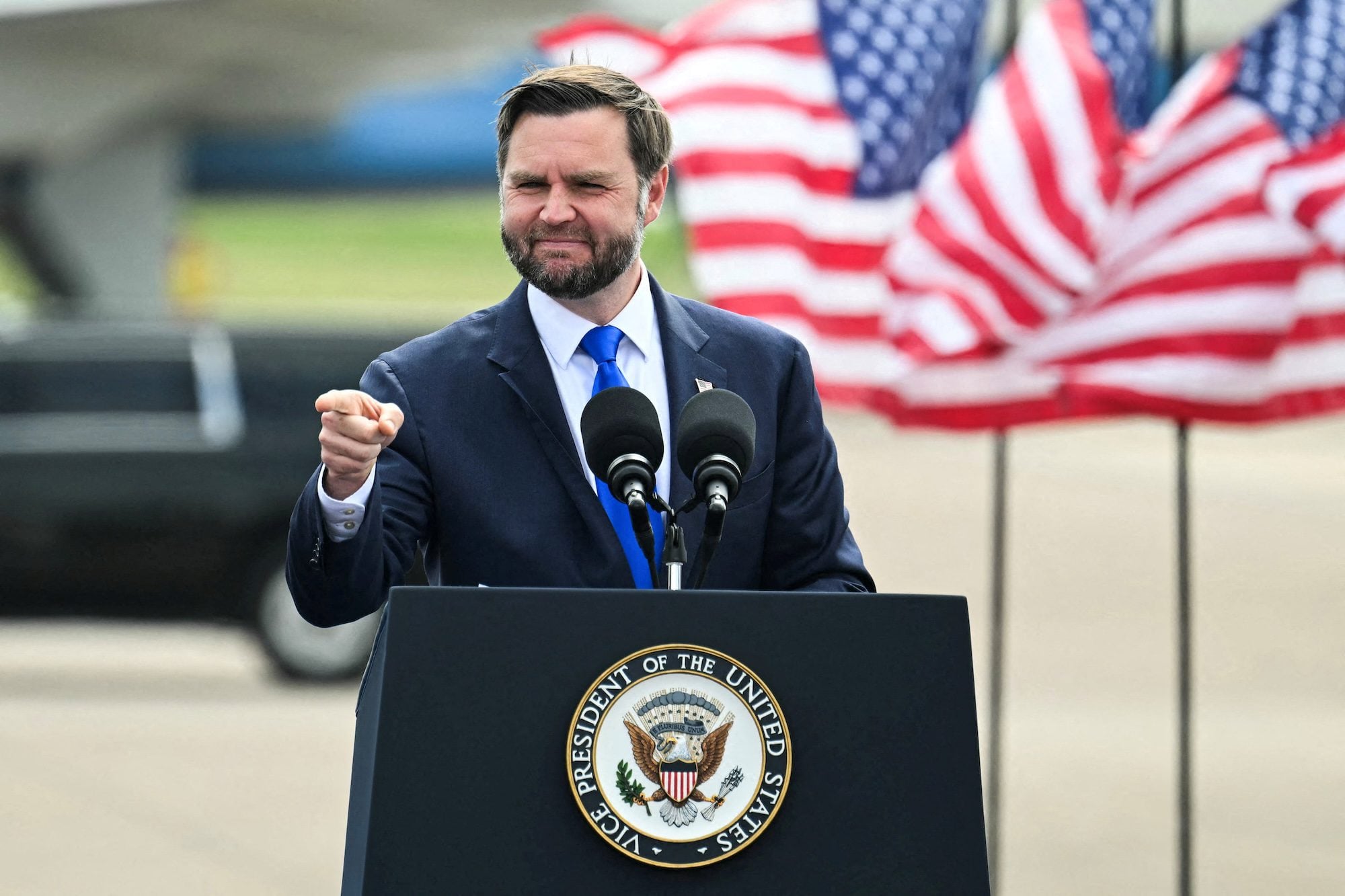
Writing on X on Wednesday, after Democrats secured both the House of Representatives and the Senate, Vance argued that dissatisfaction with the conflict explained the Republican defeat rather than voter turnout alone. He cited internal polling identifying the war, inflation and living costs, prioritising American interests, and relations with Israel as four leading voter concerns. Vance has also said talks with Tehran would not resume until Iran ceased attacking commercial shipping through Hormuz.
President Donald Trump likewise acknowledged the war’s role in the election outcome while defending the decision to begin military action. Democratic control of Congress from January could bring closer examination of the campaign, the maritime blockade and their economic consequences. Congress controls defence funding and could seek legislative restrictions on operations, although the president retains significant executive powers and a veto. For shipping, the unresolved issue is whether Washington maintains its approach, renews major combat operations or secures an agreement that reduces threats to merchant vessels.