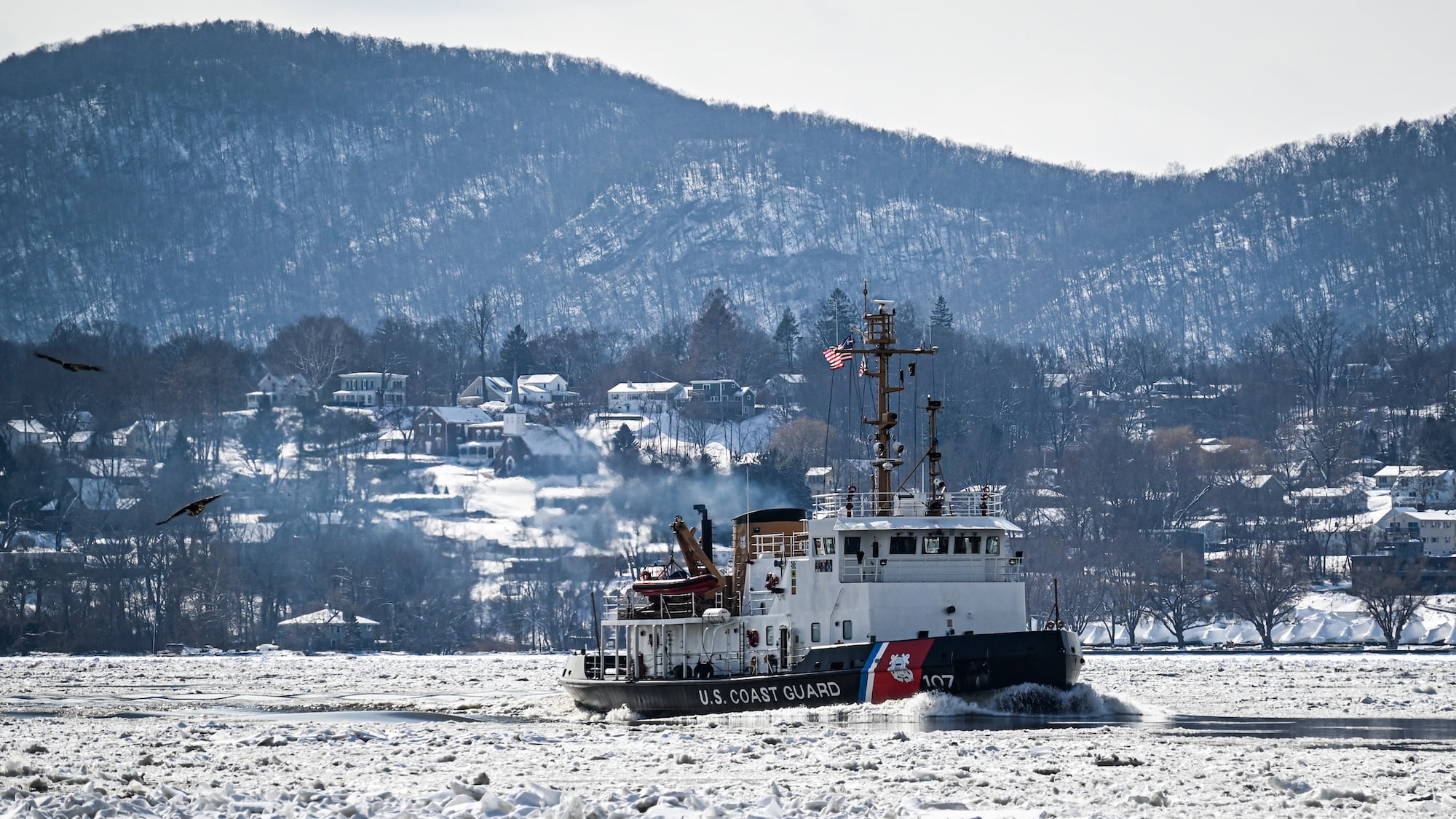
The US Coast Guard is assessing whether commercial icebreakers could help maintain access to Northeast ports and waterways during heavy winter ice, according to gCaptain. An October 21 request for information on SAM.gov seeks US-flagged, Jones Act-qualified vessels able to reach the region by January 2, 2027, to support emergency operations and keep essential cargo moving.
The requested vessels would need to handle ice between 4 and 18 inches thick. Potential deployment locations span Boston Harbour, the Cape Cod Canal, Buzzards Bay, Nantucket, Martha’s Vineyard and Narragansett Bay, alongside the Connecticut ports of Bridgeport, Stamford and New Haven. Operators are being asked about their capacity to open channels, preserve navigable routes, escort critical cargo shipments and support communities facing ice jams or flooding.
Commercial providers would supply vessels, crews, equipment and supervision, with the Coast Guard setting operational priorities. According to gCaptain, the proposed arrangements envisage 72 hours’ notice and a minimum operating period of seven days. Vessels would normally work for up to 12 hours daily in daylight, while any longer operating hours would require approval.
The enquiry follows severe ice across the Northeast and Great Lakes during the 2025–2026 winter, when Coast Guard icebreakers were deployed to sustain commercial navigation. The service launched Operation Reliable Energy for Northeast Winters in January to help maintain deliveries of heating oil and other essential supplies. Maintenance and upgrade work on some assets required adjustments to focus available resources where demand was greatest.
Separately, the Coast Guard is pursuing up to seven Homeland Security Cutter–Light Icebreakers to replace its ageing 65-foot icebreaking tugs. A formal solicitation was issued earlier in the year, with final proposals due in October. Commercial support could offer a near-term option while that fleet replacement programme progresses, gCaptain reported.
The current notice is market research, not an invitation for binding bids. Operators may provide details of vessel performance, icebreaking experience, mobilisation times, operating constraints and possible contract structures, as well as indicative daily rates and mobilisation costs. No vessel requirement total or prospective contract value has been specified, and the Coast Guard says the exercise does not commit it to a subsequent solicitation or award.